

New Construction & Renovation
When to Hire an Interior Designer for a New Construction or Renovation in Omaha
The right time to bring in a designer, and how early support saves stress, money, and rework.
Read articleRenovation Planning
A renovation is exciting, and full of decisions. Here is a calmer, clearer way to plan one, and where an interior designer makes the whole project feel lighter from the very first step.

There is a particular kind of excitement that comes with deciding to renovate your home. You can already picture the new kitchen, the brighter bathroom, the way the main floor will finally flow. And then the questions begin. What goes first? Which finishes pair together? How do you keep a hundred small choices from quietly drifting in different directions? For many Omaha-area homeowners, that mix of excitement and overwhelm is exactly when a renovation interior designer in Omaha becomes the most valuable person in the project.
A good renovation plan is not really about picking pretty things. It is about sequence, clarity, and making decisions in the right order so the finished home feels cohesive instead of collected. Here is how to plan a home renovation thoughtfully, and how design direction keeps it calm from start to finish.
It is tempting to open a renovation by saving images of countertops and tile. Those choices matter, but they are the end of the conversation, not the beginning. The most useful first step is to talk honestly about how you actually live in the space. Where does your family gather? What frustrates you about the current layout? Which mornings feel chaotic, and why? When you renovate around real routines, every later decision has something solid to support.
A beautiful kitchen that ignores how you cook will feel wrong no matter how lovely the materials are. Starting with daily life is how you end up with a home that is beautiful but livable, refined without feeling cold.
Once you understand how the space needs to work, the next step is a clear design direction: the palette, the materials, the overall mood, and the through-line that ties one room to the next. This is the single most stabilizing part of a renovation. With clear design direction in place, every choice that follows has a simple test, does it support the vision, or pull against it?
Without that direction, renovations tend to wander. A floor is chosen one week, a paint color the next, a light fixture on a whim, and slowly the rooms stop speaking the same language. An interior designer sets the direction first, then makes thoughtful selections within it, so the home reads as one cohesive home rather than a series of separate projects.
One of the most reassuring habits a designer brings to a remodel is finishing the selections before the work starts. That means flooring, tile, cabinetry, countertops, plumbing fixtures, lighting, paint, and hardware are chosen, confirmed, and ordered ahead of time, not decided in a rush while a crew waits on site.
Front-loading these decisions does two quiet but powerful things. It protects your timeline, because materials are ordered early enough to arrive when they are needed. And it protects your budget, because you are choosing deliberately instead of grabbing whatever is available the day a decision is suddenly due. A calm, complete plan on paper is what keeps the actual construction from becoming a string of stressful surprises.
It is easy to underestimate how many individual choices a renovation contains. A single kitchen can involve dozens: cabinet style and color, hardware finish, countertop material and edge, backsplash tile and grout, faucet, sink, island lighting, flooring, paint, and trim. Made one at a time, in isolation, each choice can seem fine on its own, and still add up to a room that feels slightly off.
That is the real risk of disconnected decisions. The mismatch is rarely dramatic; it is subtle. A warm floor under a cool countertop. Hardware that fights the lighting. A backsplash that was lovely in the showroom and loud on the wall. Thoughtful selections, chosen together against one design direction, are how a designer keeps those small notes in harmony so the finished space feels intentional and complete.
Even a well-planned renovation has messy middle weeks. Walls open up, a material is backordered, a measurement comes back different than expected. This is exactly where a designer earns their place. Because the vision and selections were set early, a home renovation designer in Omaha can make quick, confident adjustments that still honor the original direction.
A designer also speaks the same language as your contractor or builder, translating your goals into the clear specifications a trade needs to do its best work. That coordination is quietly one of the biggest gifts of working with a designer, your finished home looks the way you imagined it, without you having to manage every detail yourself.
Kitchens and baths are the hardest-working rooms in a renovation, and the most decision-dense. They combine cabinetry, stone, tile, plumbing, electrical, lighting, and hardware into a small footprint where everything is visible and everything has to align. A kitchen remodel designer in Omaha keeps those layers coordinated so the room is as functional as it is beautiful.
The same is true for a bathroom remodel designer in Omaha. Tile layout, niche placement, vanity height, lighting, and fixture finishes all have to be considered together and decided before the tile setter arrives. These are the rooms where early, coordinated selections pay off the most, and where rushed, in-the-moment decisions show the most. Planning them carefully is what makes them feel both elevated and effortless to live in.
If you want a clear order to move through, this is the path we guide Omaha-area homeowners along, calm, organized, and built so each step supports the next.
The order is the point, each step removes a decision the next step would otherwise have to guess at. For a closer look at how we run this from first conversation to final reveal, see our design process.
You do not need every answer before you reach out, that is what the planning is for. If you are weighing a kitchen, a bathroom, a main-floor remodel, or a larger whole-home renovation, the best first step is simply a conversation about how you want to live and what is frustrating you now. From there, design direction and thoughtful selections turn a long list of decisions into one clear, calm plan.
If you would like the most complete support, direction, selections, furnishing, and styling under one cohesive plan, our full-service interior design is built for exactly that. You can also keep reading on when to bring a designer in for a new construction or renovation project, or why a full-service approach matters for Omaha homeowners. When you are ready, we would love to hear about your home.
Willow & Stone Interiors transformed my space into something that feels calm, intentional, and beautifully designed.
Trista W. · Omaha-area homeowner
Renovation questions
A few things Omaha-area homeowners often ask before beginning a renovation or remodel.
Renovation design for the Omaha area
Willow & Stone Interiors provides renovation and remodel guidance for homeowners across Omaha, West Omaha, Elkhorn, Gretna, Bennington, Papillion, Council Bluffs, and nearby Nebraska / Iowa communities, bringing clear design direction and thoughtful selections to kitchen remodels, bathroom remodels, main-floor renovations, and whole-home projects, so your finished home feels beautiful but livable, without the stress.
Keep reading
The right time to bring in a designer, and how early support saves stress, money, and rework.
Read article
How a full-service approach creates a calmer process and a more cohesive, comfortable home.
Read article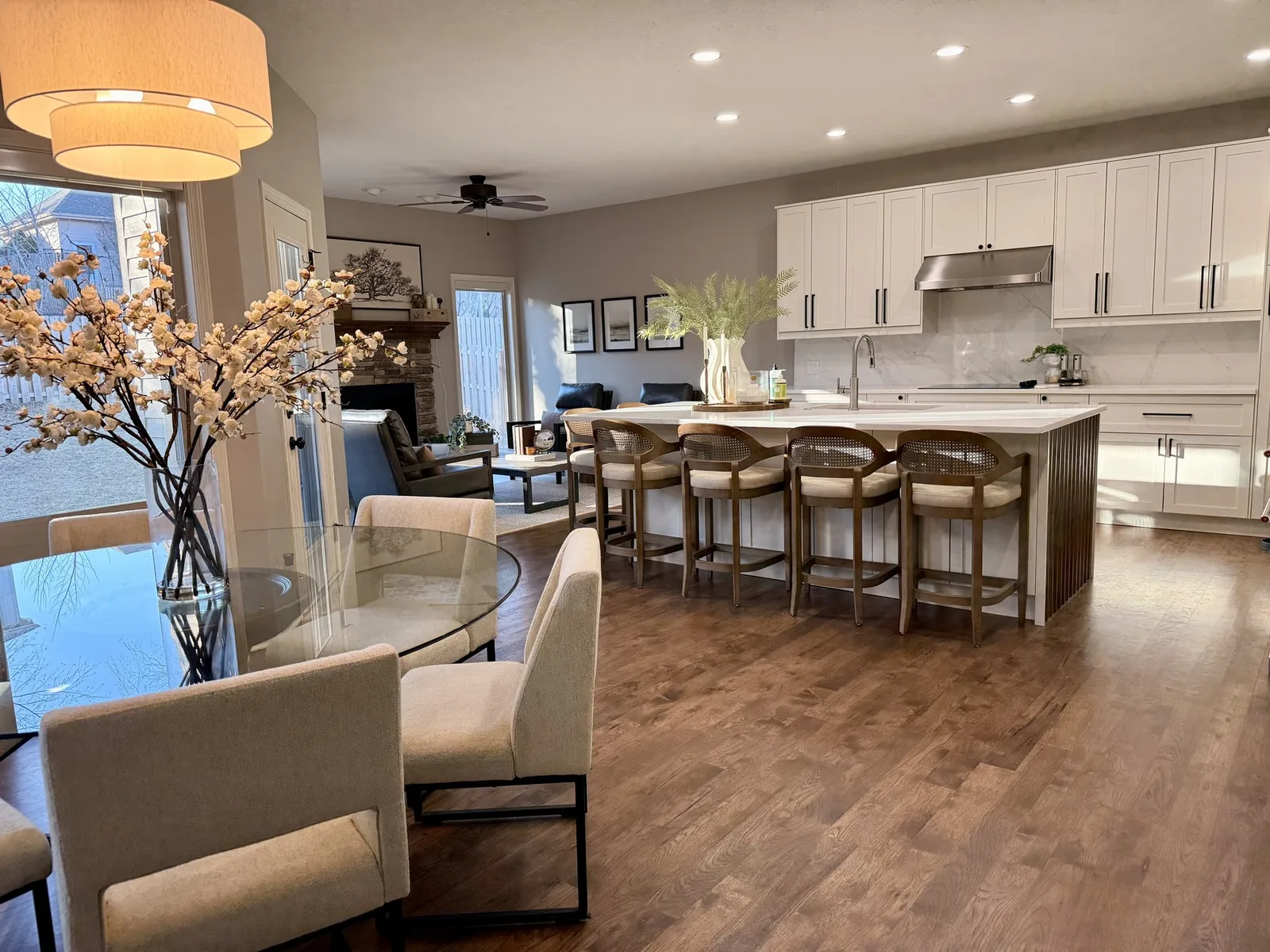
Kitchens, baths, and whole-home remodels with clear direction and cohesive selections.
Explore the serviceBegin your renovation
Tell us about your home and what you'd like to change. We'll help you find the clearest, calmest path forward.